The Ultimate Guide to Restoring Antique Furniture Without Sanding or Stripping
If you love the character, history, and craftsmanship of antique furniture, you know the absolute dread that comes with the thought of restoring it. Traditional furniture refinishing evokes images of harsh chemical strippers, hours of back-breaking sanding, dust coating every surface of your garage, and worst of all: completely destroying the piece’s original patina.
When dealing with a true antique, stripping it down to bare wood can drastically kill its historical and monetary value.
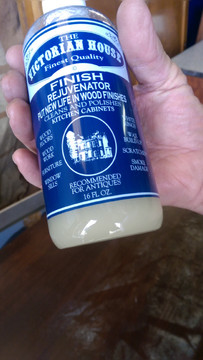
Fortunately, you don’t have to do it. You can skip the mess, save the history, and bring your tired heirloom back to life using a game-changing method. Here is your ultimate guide to restoring antique furniture with zero sanding or stripping, featuring the holy grail of wood restoration: The Victorian House Finish Rejuvenator.
Why You Should Never Strip an Antique
Before diving into the "how," let's talk about the "why." Traditional refinishing treats old wood like a blank canvas. But an antique isn’t a blank canvas—it has a story.
Over decades, wood develops a patina—a rich color and natural luster that comes from age, light exposure, and care. Standard stripping removes this aged layer entirely. Furthermore:
-
Veneer is thin: Sanding risks burning straight through delicate, historic veneers.
-
Chemicals are harsh: Strippers are messy, toxic, and require extensive downtime.
-
Value drops: Antique appraisers routinely deduct value from pieces that have been entirely stripped and re-varnished.
The goal shouldn't be to make an antique look like it was bought from a modern showroom yesterday. The goal is to make it look like a beautifully preserved, well-loved masterpiece.
The Secret Weapon: The Victorian House Finish Rejuvenator
If you aren't stripping the old finish off, how do you fix years of cloudiness, water rings, and scratches? You repair the original finish from the inside out.
Invented specifically for antiques and manufactured in Oklahoma since 1981,
Why it is the Best for Antique Restoration:
-
Saves the Original Finish: It protects the historical integrity and value of the piece.
-
No Added Color or Wax: It won't leave a gummy build-up or alter the wood’s authentic hue.
-
Erases Common Damage: It instantly eliminates surface scratches, sun fading, and ugly white rings caused by heat or moisture.
-
Dissolves Decades of "Gunk": It melts away old grease, smoke residue, and grime without using water (which makes grease gummy).
-
Results Last for Years: One simple application keeps the wood hydrated and vibrant for years, not just days.
Step-by-Step Guide: How to Rejuvenate Wood Without Sanding
Restoring your antique with
What You’ll Need:
-
A bottle of
The Victorian House Finish Rejuvenator -
A pad of super-fine #0000 steel wool
-
A roll of highly absorbent paper towels (Bounty is highly recommended)
Step 1: Shake the Bottle Well
Because this formula contains a unique blend of deep-cleansing agents and restorative oils, they will naturally separate while sitting. Shake the bottle vigorously before you start, and keep shaking it periodically throughout the process to ensure the formula stays perfectly emulsified.
Step 2: Gently Work the Grain
Pour a small amount of the Rejuvenator directly onto your #0000 steel wool pad. Don't worry—super-fine #0000 steel wool will not scratch your wood. Gently buff the product into the furniture, always following the direction of the wood grain.
As you glide the pad across the surface, the steel wool and cleaners work together to break down decades of embedded grime and wax, while the rich oil base penetrates the dry, brittle finish.
Step 3: Wipe Away the Grime Instantly
Do not let the product dry on the piece. Immediately follow up with a clean, dry, highly absorbent paper towel to wipe away the dissolved gunk and excess oil.
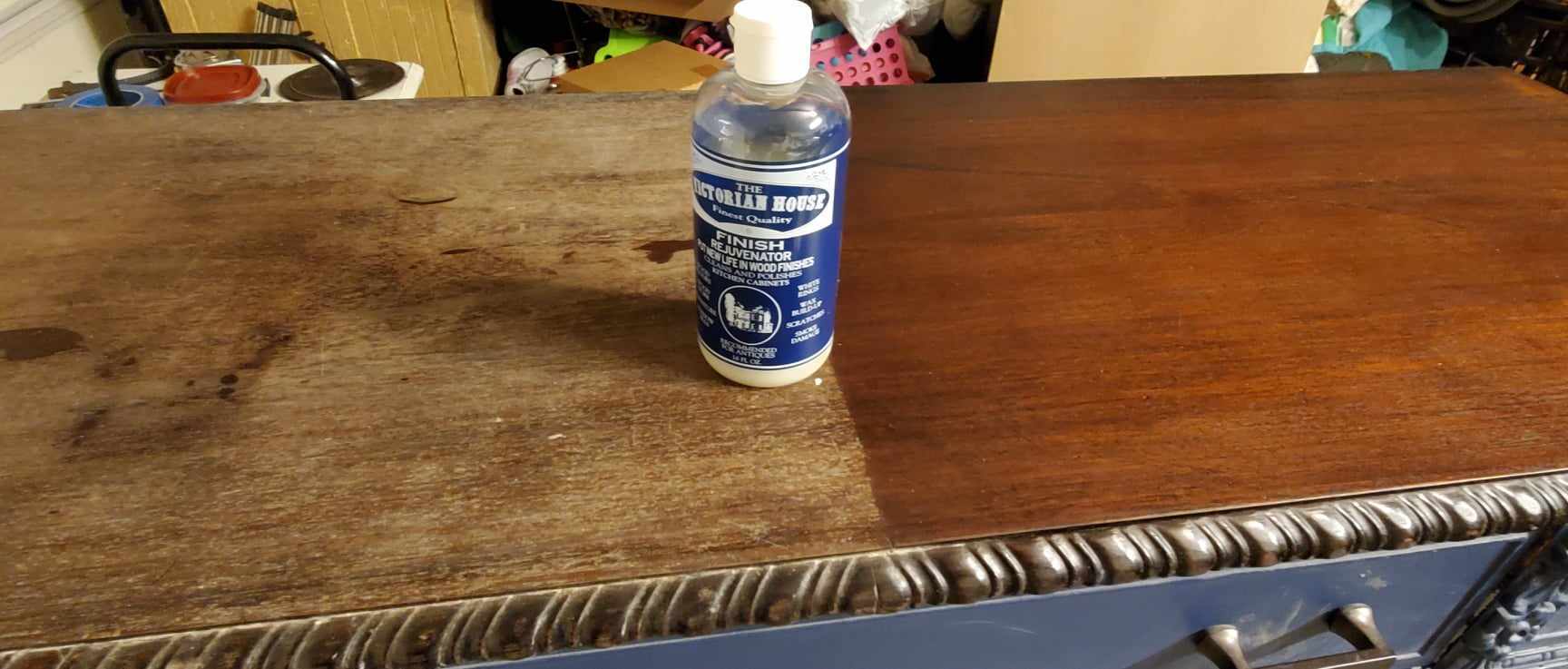
As you wipe, you’ll see the dullness and white water marks vanish. What's left behind is a deep, rich, authentic luster. Because the product contains no wax or cheap silicones, there is absolutely no sticky residue or oily fingerprints left behind.
The Beautiful Reality of "Rejuvenating"
Take a look at your transformed piece. Those surface scratches from years of use? Gone. The cloudy, dry look that made it look ready for the dumpster? Replaced by a healthy, glowing sheen that showcases the true grain of the wood.
By choosing to rejuvenate rather than strip, you save hundreds of dollars, days of miserable labor, and—most importantly—you preserve a piece of history exactly the way it was meant to be seen.
Pro Tip: Keep a bottle handy in your utility closet. While it was invented for delicate antiques, it works absolute miracles on tired kitchen cabinets, sun-damaged front doors, baseboards, and wood floors too!
Have you ever ruined a piece of furniture by sanding too deep? Ready to give your family heirlooms the gentle facelift they deserve? Grab a bottle of